Planning a home workshop in a garage or shed
Space, power, light, air and damp decide how pleasant and safe a workshop is to use. Sort them out first and the tools will fit around them.
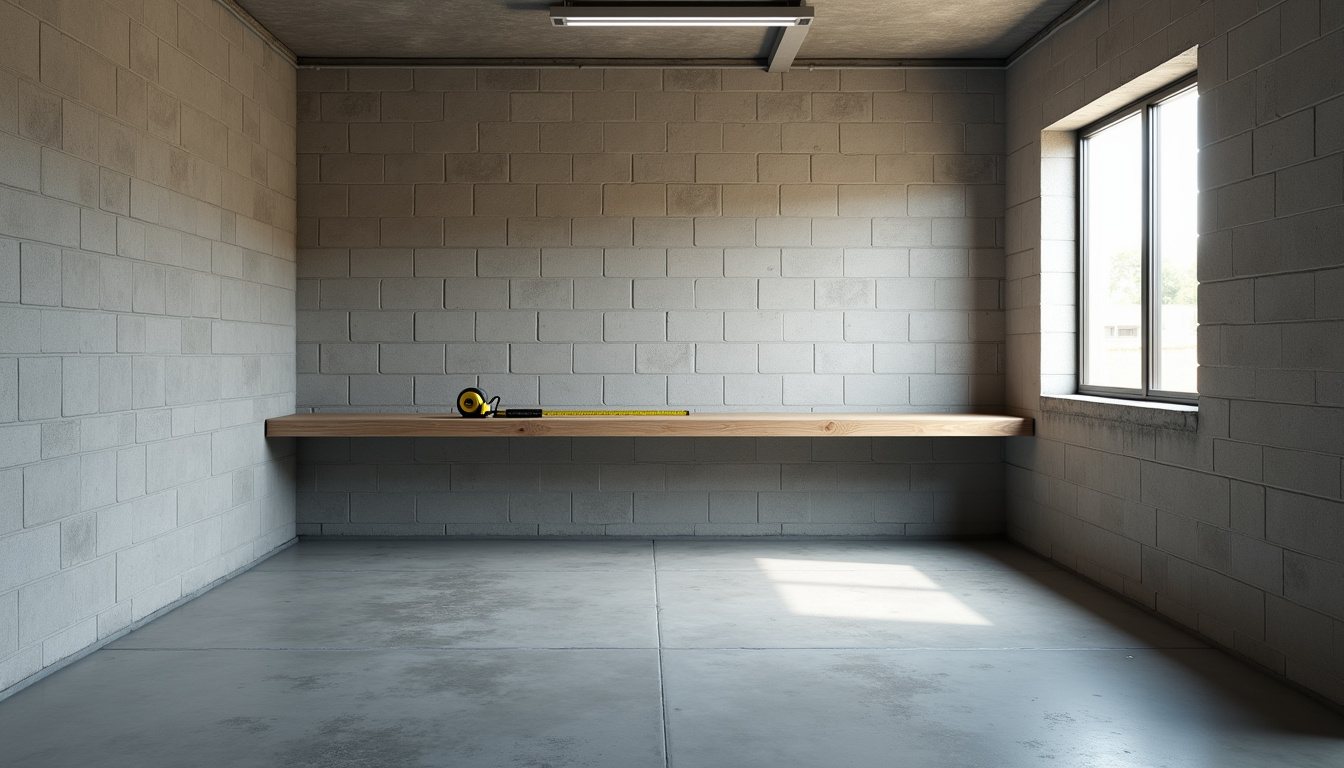
Most people start a workshop by buying tools. The ones who end up enjoying the space usually start somewhere duller: a tape measure, a sketch of the floor, a look at where the nearest socket is and a cold morning spent noticing how damp the walls feel. This guide walks through those decisions in the order that saves money and rework.
Decide what the workshop is for
Write down the three or four jobs you expect to do most often. Repairing furniture, building garden projects from sawn softwood, making small boxes from hardwood, bike maintenance and general household fixing all need different things. Garden projects mean long timber and a clear run to the door. Fine woodwork means a solid bench, good light and serious dust control. Household fixing mostly means organised storage and a vice.
Be honest about frequency too. A space used for two hours on a Saturday can tolerate a fold-away bench. A space used most evenings deserves fixed lighting, permanent power and heat.
Measure and draw the space
Draw the room to scale on squared paper, one square to 10 cm works well, and mark doors, windows, existing sockets, the consumer unit if it is there, and any pillars or pipes. Then cut out paper rectangles for the bench, any machines and storage, and move them about. This costs nothing and stops you buying a cabinet that blocks the window.
- Bench position. Against a long wall, ideally under or beside a window, gives natural light and a solid wall to fix into.
- Clear zone. Leave at least a metre of open floor in front of the bench, more if you plane by hand.
- Long stock. Mark where a 2.4 m board will sit when you cut it. In a single garage that often means opening the main door.
- Infeed and outfeed. Any saw needs space before and after the blade equal to the longest piece you will cut.
- Walls as storage. Keep the floor as empty as possible. Walls and the area above head height carry most storage in a small shop.
If the garage still has to hold a car, put the workshop on wheels: a mobile bench, tool cabinets on lockable castors and wall-hung storage. Our tool storage guide covers this in detail.
Floor
A concrete garage floor is ideal for machines but hard on dropped chisels, feet and backs. Rubber interlocking mats or a section of boarded floor in front of the bench help with all three. Seal bare concrete with a suitable floor paint or sealer to cut down concrete dust, which otherwise mixes with wood dust and settles on everything.
Shed floors need to be level and stiff enough for a loaded bench. A shed on a proper base, with treated bearers that lift the floor clear of the ground and allow air underneath, will last far longer and stay drier than one sitting on soil.
Damp and condensation
Damp is the enemy of every steel tool. Garages and sheds suffer two different problems: water getting in, and water condensing out of the air onto cold surfaces.
- Water ingress. Fix leaking roofs, failed felt, gaps under doors and gutters that overflow down a wall before anything else. Tools stored against a wet wall will rust within weeks.
- Condensation. On cold mornings warm moist air meets cold metal and concrete. Insulating the walls and roof, sealing draughts sensibly while keeping some ventilation, and keeping the space a few degrees above outside temperature all reduce it.
- Measure it. A cheap hygrometer tells you more than guesswork. If relative humidity regularly sits above about 60 to 65 per cent, plan on a dehumidifier or extra protection for tools.
Our guide to caring for tools and preventing rust covers the tool side of this.
Power
Count the tools you might run at the same time: dust extractor plus saw, lights, a heater, a battery charger. One long extension lead from the house is not a plan for a workshop that will be used regularly. It trips over, it can be damaged by doors, and it limits what you can run.
The usual long-term answer is a dedicated supply to the garage or shed with its own small consumer unit, RCD protection and enough sockets at bench height. In England and Wales a new circuit is notifiable building work under Part P, so it has to be done by an electrician registered with a competent person scheme or signed off by building control. Our workshop electrical safety guide explains what that means in practice.
Light
Poor light causes more spoiled work and nicked fingers than most people expect. Aim for even, shadow-free general lighting plus task light at the bench.
- LED battens across the ceiling, spaced so no part of the floor is in shadow, are cheap to run and do not flicker like old fluorescent tubes.
- Neutral white (around 4000 K) is comfortable for long sessions. If you finish timber, a high colour rendering index (CRI 90 or above) shows stain and colour more truthfully.
- Add a movable lamp at the bench that can be placed low and to one side. Raking light shows tear-out, pencil lines and glue squeeze-out.
Ventilation and air
A workshop needs fresh air for three reasons: fine dust, fumes from finishes and glues, and moisture. A window that opens and a door you can leave ajar do a lot. For regular finishing work, an extractor fan positioned so air is drawn across the work and away from you is worth considering. Dust needs its own plan, covered in our dust extraction guide, because general ventilation alone does not deal with the fine particles that matter most.
Fire
Workshops contain fuel: shavings, dust, offcuts, solvents and oily rags. Rags soaked in drying oils such as linseed can heat up and ignite on their own as the oil cures, so lay them flat outdoors to dry or keep them in a sealed metal container with water. Keep a suitable fire extinguisher by the door, fit a heat alarm (smoke alarms false-alarm constantly in dusty spaces), and sweep up at the end of each session.
Security
Sheds and garages are a common target for theft, and power tools are easy to sell. Good locks and hinges fitted with security screws, an alarm, covered windows so tools are not on show, and a photo record with serial numbers all help. Check your home insurance for the limits on outbuilding contents; many policies cap them well below the value of a decent tool collection.
Neighbours and noise
Routers, planers and circular saws are loud enough to annoy people several gardens away. Keep noisy work to reasonable hours, close the door when running machines, and do the fine hand work late in the evening instead. Insulating the walls helps with noise as well as condensation.
A sensible order of work
- Fix leaks and improve drainage around the building.
- Sort the floor and, if practical, insulate.
- Get power and lighting installed properly.
- Build or buy the workbench.
- Put up wall storage.
- Buy a starter set of hand tools, then add power tools as projects demand them.
- Add PPE and dust control before the first dusty job, not after.
It is tempting to skip straight to step six. Doing the first three properly makes everything after them easier and the space far nicer to work in.